
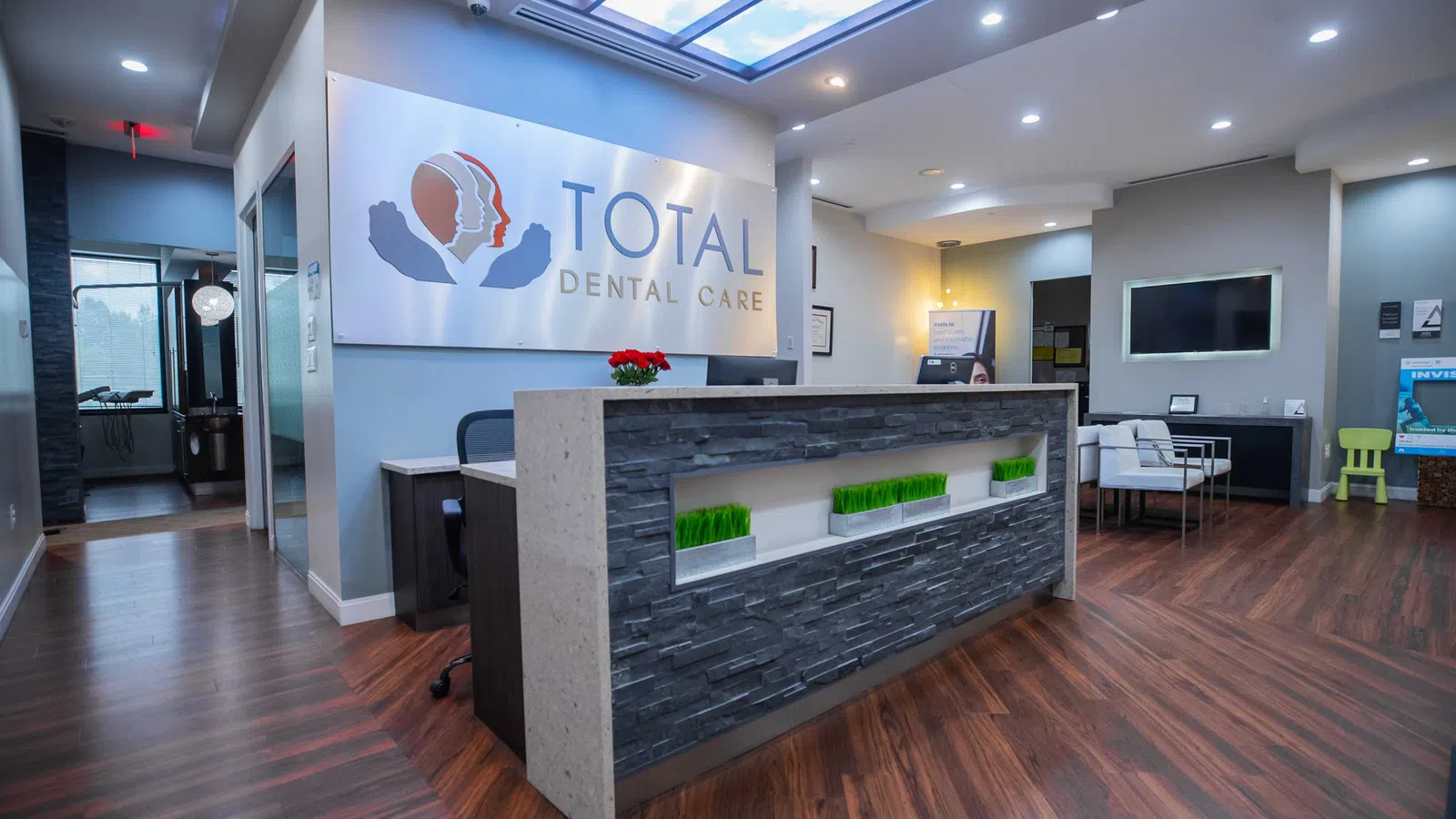
Rebuild Your Dental Health With Oral Surgery in Germantown
Oral surgery is a surgical procedure performed on your mouth or jaw to treat disease or injury or to prepare you for treatments like dental implants or orthodontics. We offer oral surgery in Germantown that will improve your dental health and protect your overall well-being. We have an oral surgeon on staff, available one Saturday a month, for specialized treatments.
You'll benefit from advanced techniques and technologies during every procedure. Our team provides clear pre-operative instructions to ensure you feel prepared. We take time to address all your questions and concerns before beginning. You'll also receive clear post-operative instructions to facilitate healing. The path to restored oral health begins with a consultation.
Frequently Asked Questions About Oral Surgery
Q What is oral surgery?
Oral surgery refers to surgical procedures involving your mouth and jaw. Surgery is used to treat disease, injury, or structural problems, or to prepare your smile for treatments like dental implants or orthodontics. Oral surgery covers a wide range of procedures including tooth extractions, wisdom tooth removal, bone grafting, sinus lifts, ridge augmentation, and cosmetic gum surgery.
Q Do you have an oral surgeon on staff at Total Dental Care?
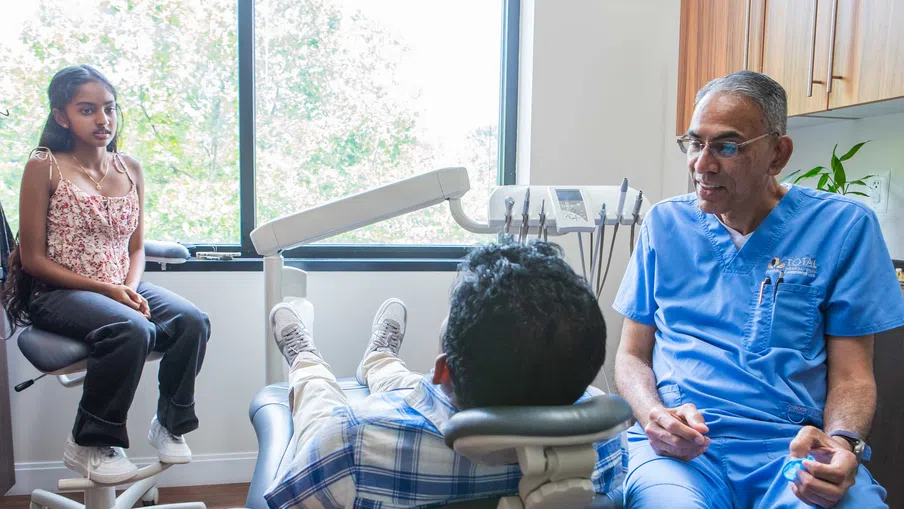
Yes, Total Dental Care has an in-house oral surgeon available to handle a full range of surgical procedures. Having an oral surgeon on staff means you receive specialized surgical care without being referred to an outside provider. Your surgeon works directly alongside your dentist and other in-house specialists so your treatment stays coordinated under one roof.
Q How do I know if I need oral surgery?
Knowing whether you need oral surgery starts with a thorough exam. Your dentist may recommend oral surgery if you have a severely damaged or infected tooth that cannot be saved, wisdom teeth causing pain or crowding, insufficient bone density for dental implants, or structural issues that affect your oral health or appearance. Surgery is never recommended unless it is genuinely in the best interest of your health.
Q Is oral surgery painful?
Oral surgery is not painful. Local anesthesia numbs the treatment area completely before surgery begins. Sedation options - including nitrous oxide, oral sedation, and IV sedation - are also available to keep you relaxed and comfortable. Our team will provide detailed post-operative instructions to help you manage discomfort and heal as smoothly as possible.
Q What sedation options are available for oral surgery?
Sedation options available for oral surgery include nitrous oxide for mild relaxation, oral sedation for patients who need a deeper level of calm before their appointment, and IV sedation for more involved procedures or significant anxiety. General anesthesia is also available for the most complex cases. Your surgeon will discuss which option is most appropriate based on the procedure being performed.
Q How should I prepare for oral surgery?
Preparing for oral surgery starts with following the pre-operative instructions your surgical team provides during your consultation. These typically include fasting guidelines if sedation is being used, arranging transportation to and from the office, wearing comfortable clothing, and providing a complete list of your current medications. Your team will walk you through everything you need to know before your appointment.
Q What is recovery like after oral surgery?
Recovery after oral surgery varies depending on the type and complexity of the procedure performed. Most patients experience some swelling, tenderness, and mild discomfort in the days following surgery. Your surgical team provides clear post-operative instructions. Follow-up appointments allow your surgeon to monitor your recovery.
Q How does oral surgery connect to other dental treatments?
Oral surgery is often a necessary preparatory step for other dental treatments. Bone grafting and sinus lifts create the foundation needed for successful dental implant placement. Tooth extractions remove teeth that are blocking orthodontic treatment or compromising surrounding teeth. Ridge augmentation restores jawbone contours lost after tooth removal, improving both function and the fit of future restorations.


