
Take Back Your Gum Health With Pocket Reduction in Germantown
Pocket reduction surgery is a periodontal procedure that cleans out the deep spaces between your teeth and gums. These areas hide bacteria that can multiply and cause widespread problems. If you have gum pockets too deep to clean during routine dental care, we may recommend pocket reduction in Germantown.
Our in-house periodontist will perform the procedure to allow your gums to heal. By reducing pocket depth, we can help lower your risk of future infection while protecting your long-term oral health. Together, we can stop the progression of gum disease and help you maintain a healthier smile.

Frequently Asked Questions About Pocket Reduction
Q What is pocket reduction surgery?
Pocket reduction surgery is a periodontal procedure that cleans out the deep spaces between your teeth and gums where harmful bacteria have built up. When gum pockets become too deep to clean with brushing, flossing, or even professional cleanings, they become a space for harmful bacteria. It can destroy your bone and tissue. Your periodontist clears the infection and repositions the gum tissue to reduce pocket depth and support healing.
Q How do I know if I need pocket reduction surgery?
You may need pocket reduction surgery if you have deep gum pockets that cannot be fully addressed with scaling and root planing. Signs that your gum disease may have progressed to this level include persistent bad breath, bleeding or swollen gums, teeth that feel loose, visible bone loss on X-rays, or pockets measuring five millimeters or deeper during your periodontal exam.
Q How is pocket reduction surgery different from a deep cleaning?
Pocket reduction surgery differs from a deep cleaning in the direct access it provides to the infected area. A deep cleaning, or scaling and root planing, uses instruments to clean below the gumline without surgically opening the tissue. Pocket reduction surgery gives your periodontist direct access, allowing for a more thorough removal of bacteria, infected tissue, and buildup.
Q Is pocket reduction surgery painful?
Pocket reduction surgery is not painful. Local anesthesia is used to numb the treatment area completely. If you feel anxious, sedation options are also available, including nitrous oxide, oral sedation, and IV sedation. You'll stay relaxed throughout. Our team will send you home with clear aftercare instructions and guidance on managing any discomfort.
Q What happens if I skip pocket reduction surgery?
Skipping pocket reduction surgery when it is recommended means the infection in your gum pockets continues to progress unchecked. Deep pockets do not improve on their own. Bacteria keep destroying the bone and tissue supporting your teeth, pockets deepen further, and teeth eventually become loose and may be lost. Beyond your mouth, the bacteria causing the infection travel through your bloodstream and cause adverse health effects.
Q How long does recovery from pocket reduction surgery take?
Recovery from pocket reduction surgery typically involves some tenderness and swelling for the first few days. You'll feel significantly better within one to two weeks. Your periodontist will provide aftercare instructions covering diet, activity, and cleaning the area during healing. Follow-up appointments allow us to monitor how your gums are responding and address any concerns early.
Q Will I need periodontal maintenance after pocket reduction surgery?
Yes, periodontal maintenance after pocket reduction surgery is essential to protecting your results. Gum disease is a chronic condition. The bacteria that caused your deep pockets can reactivate without consistent professional monitoring and cleaning. After surgery, your maintenance visits become more effective because your pockets are shallower and easier to keep clean.
Q Who performs pocket reduction surgery at Total Dental Care?
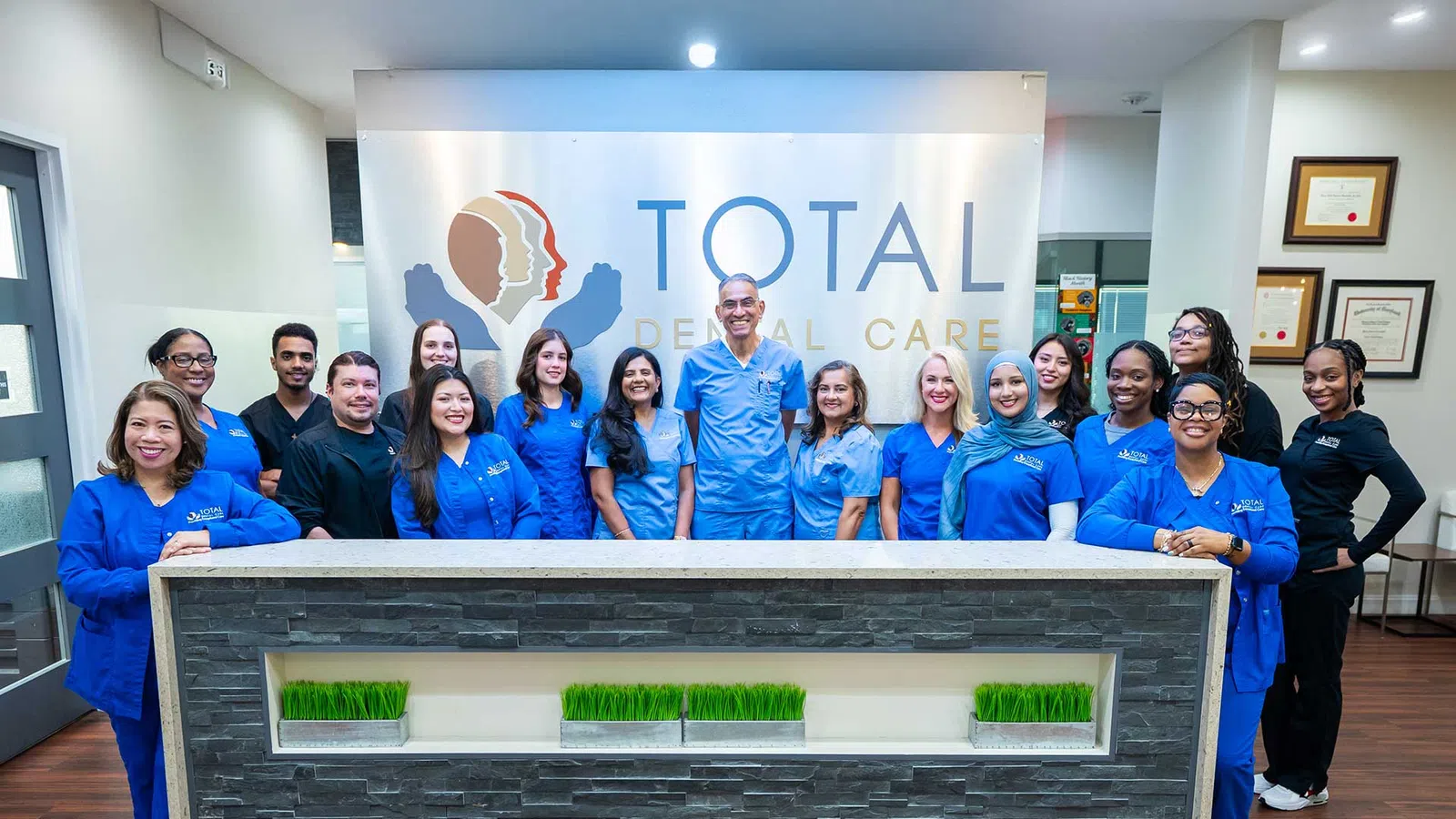
Pocket reduction surgery at Total Dental Care is performed by our in-house periodontist, a specialist with advanced training in diagnosing and treating gum disease. Having a periodontist on staff means you receive expert surgical care without being referred to an outside office. Your entire treatment, from your initial evaluation through surgery and follow-up maintenance, stays with one familiar team that knows your history and your goals.


